Jan 28, 2025
The Evolution of Solar Energy: From Innovation to Global Leadership
Introduction
Just a few decades ago, solar energy was considered a niche and unreliable alternative. Today, it stands at the forefront of the global energy transition. Driven by technological innovation, continuous cost reductions, and the urgent need for sustainability, solar energy has evolved from an experimental endeavor into a fundamental pillar of modern energy systems.
This article examines how photovoltaic technology has developed, matured, and ultimately reshaped the way electricity is produced worldwide.
Principles of Solar Energy
The idea of converting sunlight into electricity dates back to the 1950s, when scientists first discovered the photovoltaic effect. Early photovoltaic cells exhibited low efficiency and extremely high costs, limiting their use to specialized applications such as satellites and space missions.
At that time, solar energy was more a subject of scientific research than a practical energy solution. Nevertheless, its potential was already evident.
Technological Innovations and Development
In recent decades, photovoltaic technology has advanced at an unprecedented pace. Developments in material science, manufacturing processes, and system design have significantly increased efficiency while drastically reducing costs.
The introduction of advanced materials—such as thin-film technologies and perovskite solar cells—has opened new possibilities for higher performance and greater economic viability. Today, solar panels generate more energy, have longer lifespans, and are more easily integrated into buildings, infrastructure, and large-scale installations.
Commercial Growth and Global Adoption
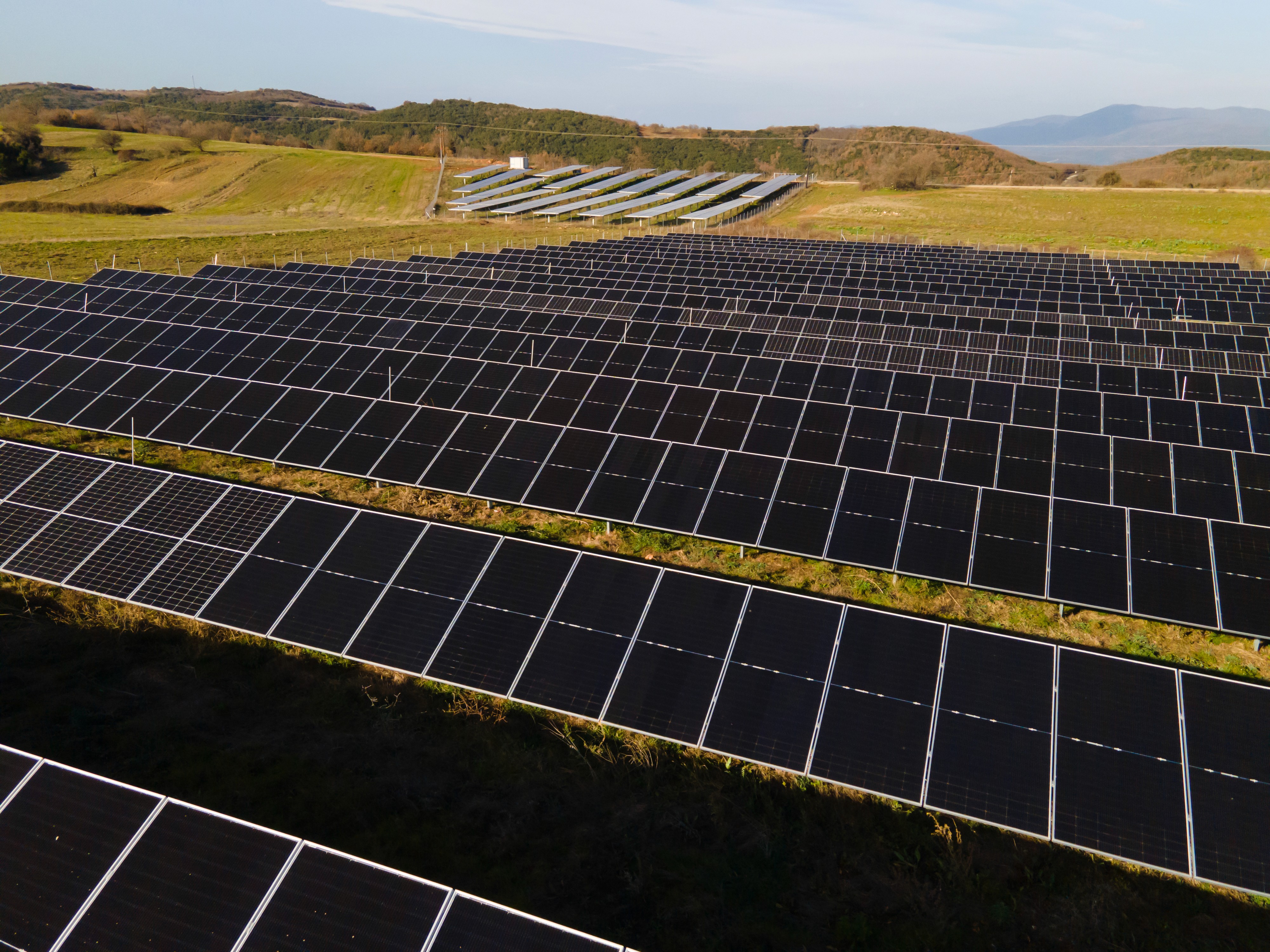
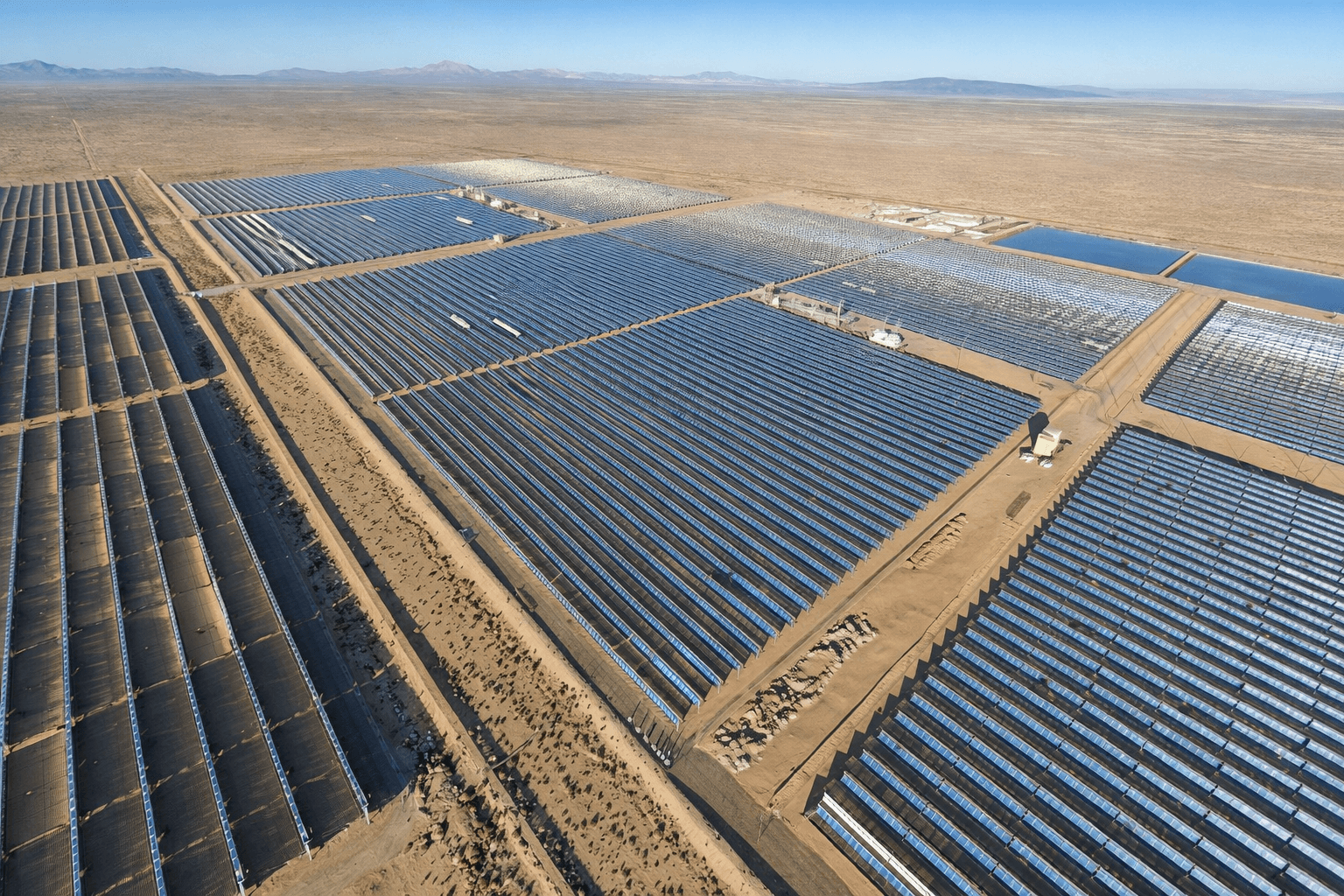
As costs fell and efficiency improved, solar energy became economically viable at scale. Governments, businesses, and energy providers worldwide began investing heavily in photovoltaic farms, rooftop installations, and hybrid energy systems.
Today, solar energy is one of the fastest-growing energy sources globally, enhancing energy independence, reducing emissions, and improving the resilience of electrical grids. What was once an experimental technology has now established itself as a key pillar of residential, commercial, and industrial energy systems.

Challenges and the Role of Energy Storage
Despite its growth, solar energy faces significant challenges, foremost among them energy storage. Photovoltaic system output depends on sunlight, which varies throughout the day and across seasons.
Battery technologies and energy storage systems play a critical role in balancing supply and demand. At the same time, effective grid integration and smart energy management systems are essential to ensure stable and reliable electricity distribution from solar sources.
The Future of Solar Energy
The future of solar energy is highly promising. Continuous innovation is accelerating efficiency improvements while further reducing costs. Simultaneously, growing awareness of climate change and global decarbonization targets is driving unprecedented adoption of renewable energy sources.
Solar energy is no longer an alternative; it is the foundation of a sustainable, resilient, and low-emission energy system.
Key Takeaways
Solar energy has evolved from an experimental technology to a global energy leader.
Technological innovation has significantly increased efficiency and reduced costs.
Energy storage and grid integration remain critical challenges.
Solar energy plays a pivotal role in the transition toward a sustainable energy future.
Conclusion
The evolution of solar energy demonstrates how science, innovation, and environmental responsibility can combine to transform the global energy landscape. As photovoltaic technology continues to advance and adoption expands worldwide, solar energy will remain a central pillar in shaping a cleaner, more resilient future for generations to come.